
Analytical Graphics Inc.
Space Object Threat Assessment (SOTA)
Role
Lead Designer on Project
Cross-Functional Partners
Product Management, Aerospace Systems Engineers, & Frontend Engineers
Core Focus
Defense and Aerospace Tactical Software, Extreme Data Density, & High-Stakes Situational Awareness
Design Ecosystem
AGI Design System / Component Library
Project Summary
Space Object Threat Assessment (SOTA) is a mission-critical, tactical aerospace software tool engineered to mitigate risks to active satellite missions and maximize asset survivability against adversarial actions. SOTA performs hundreds of millions of real-time orbital calculations & is constantly analyzing orbit regimes, predicting intersecting threat paths, and generating complex, risk-based valuations.
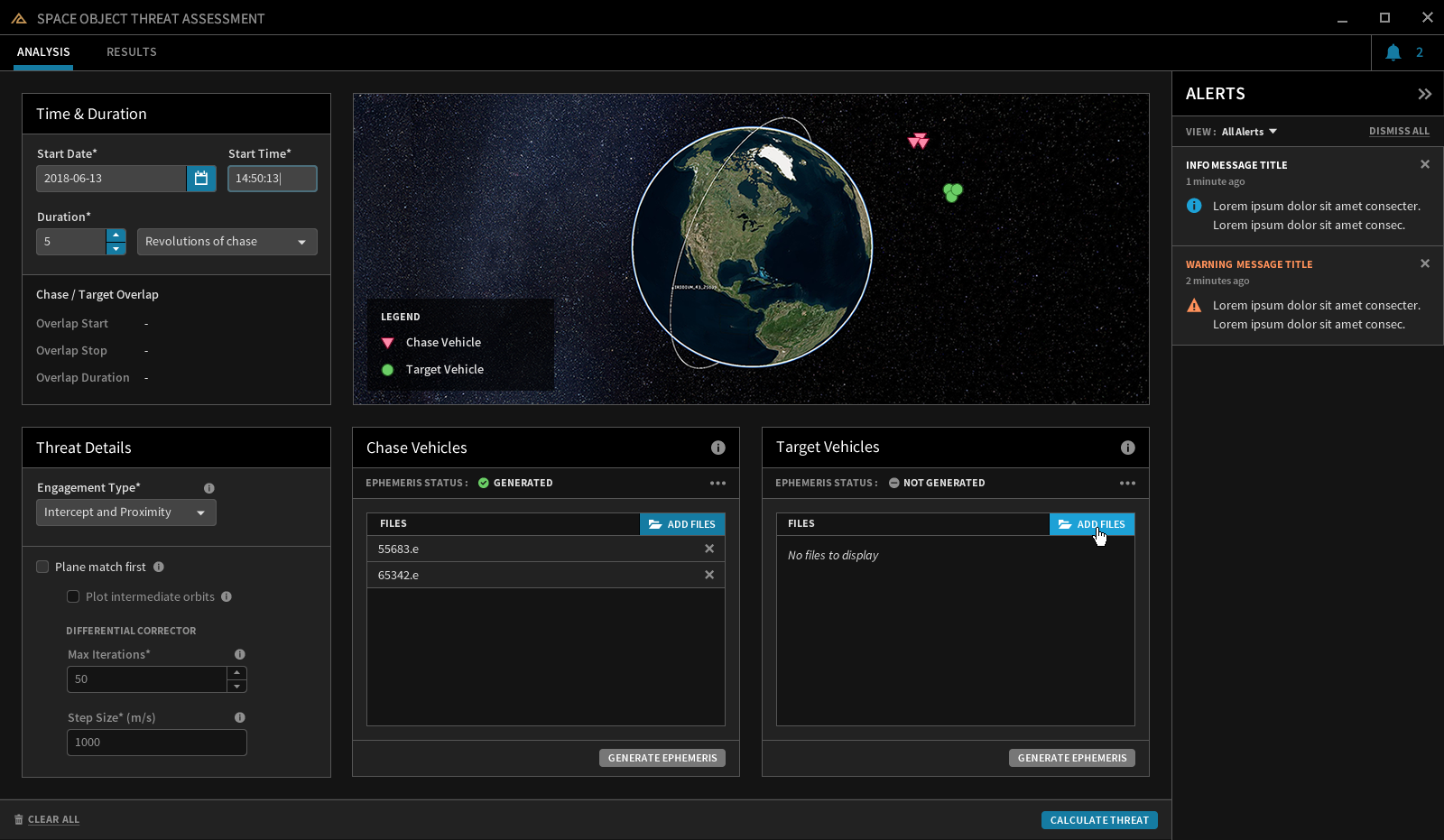
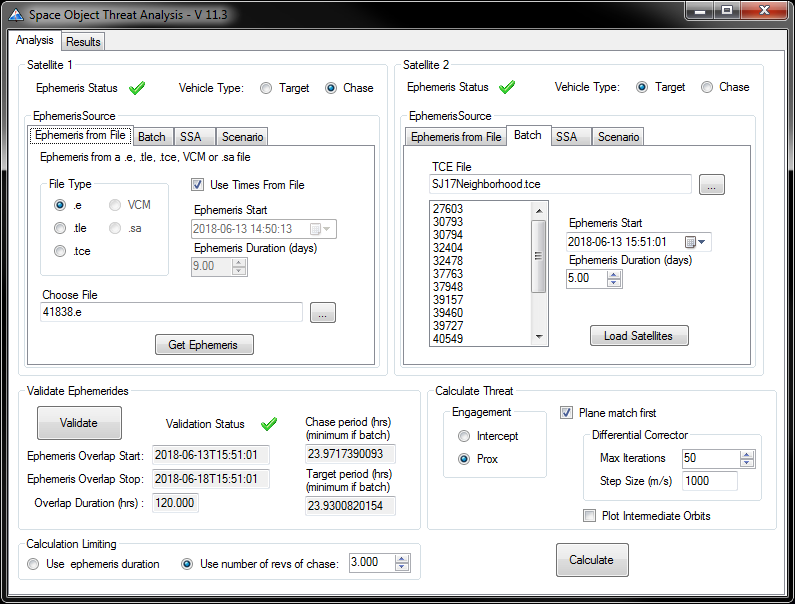
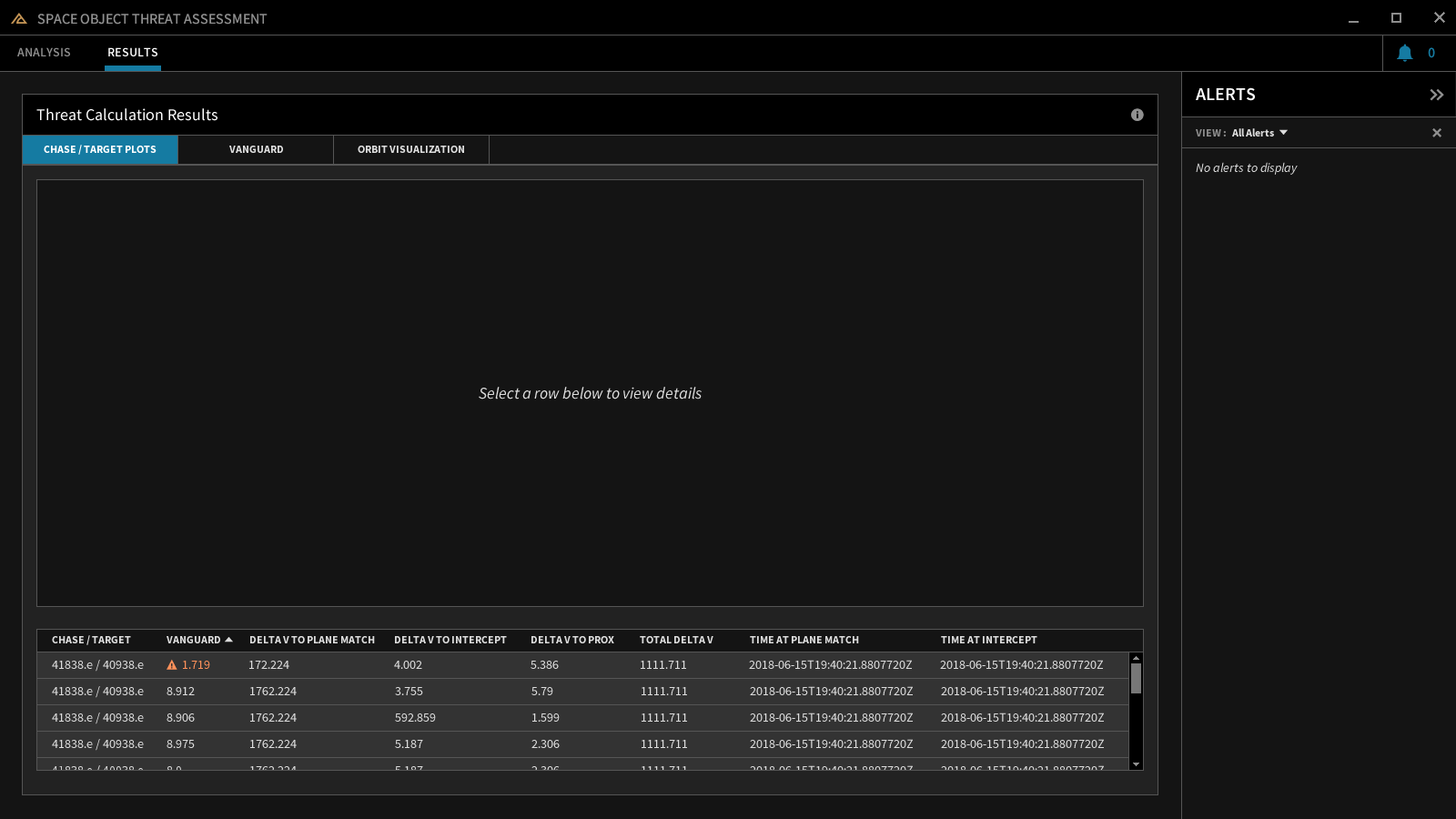
To maintain rapid defensive operational timelines, SOTA required a comprehensive UX architecture overhaul. The primary objective was to replace a fragmented, non-linear workspace with an integrated, high-priority dashboard. This transformation allows command center operators to process high-stakes spatial data instantly, replacing legacy cognitive friction with a streamlined, logical tactical tool.
Contextualizing The Complexity
Contextualizing The Complexity
The Core Challenge
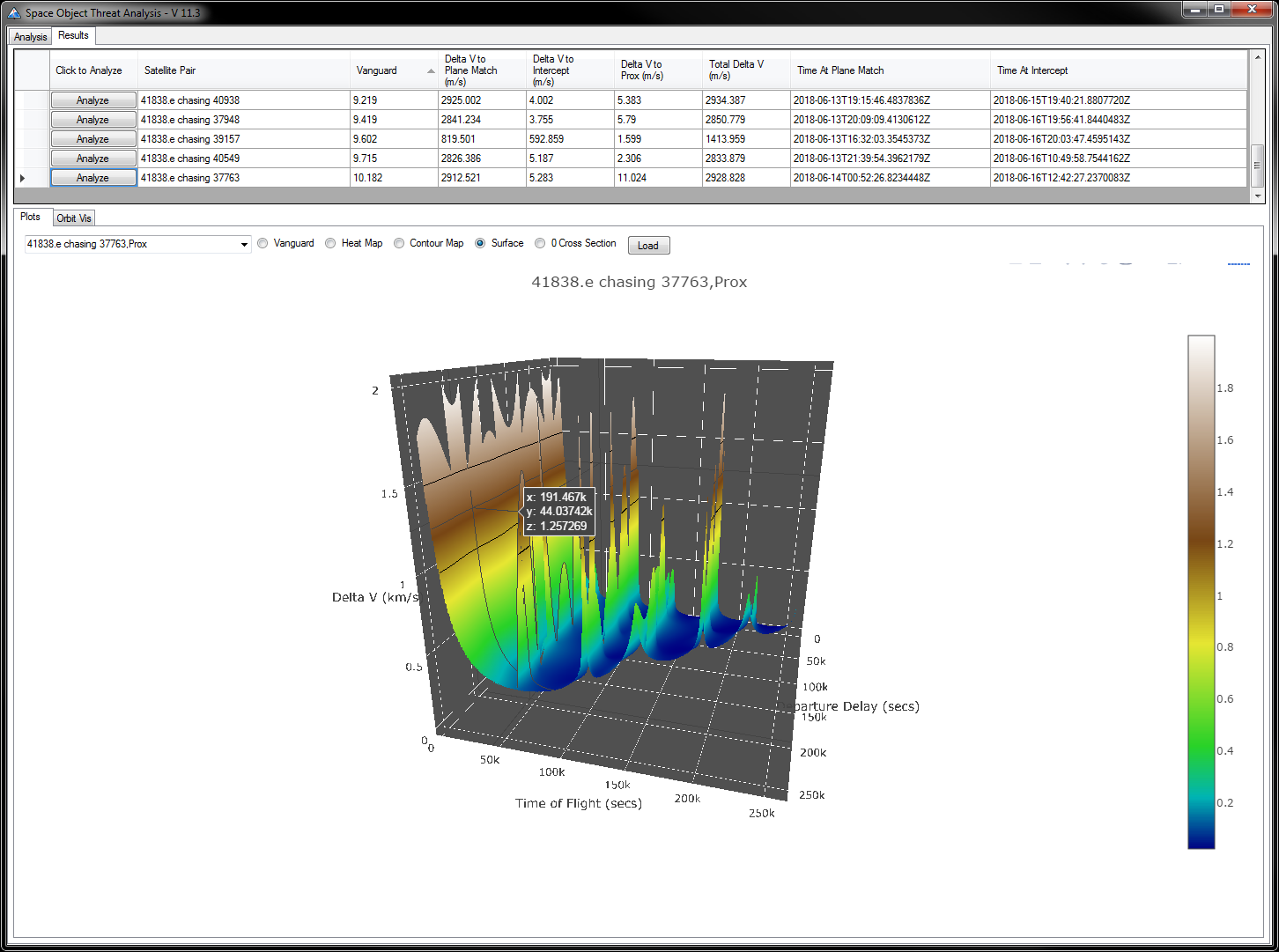
In defense and tactical aerospace applications, interface usability directly influences mission outcomes. Operators must ingest multi-dimensional geospatial data, isolate anomalies, and execute defensive decisions under intense situational stress. SOTA's legacy interface obscured critical telemetry data behind a cluttered, multi-screen configuration process that failed to match an operator's live triage workflow.
To successfully redesign this high-density ecosystem, the new UX architecture had to account for rigorous environmental, operational, and physical constraints:
Extreme Data Density
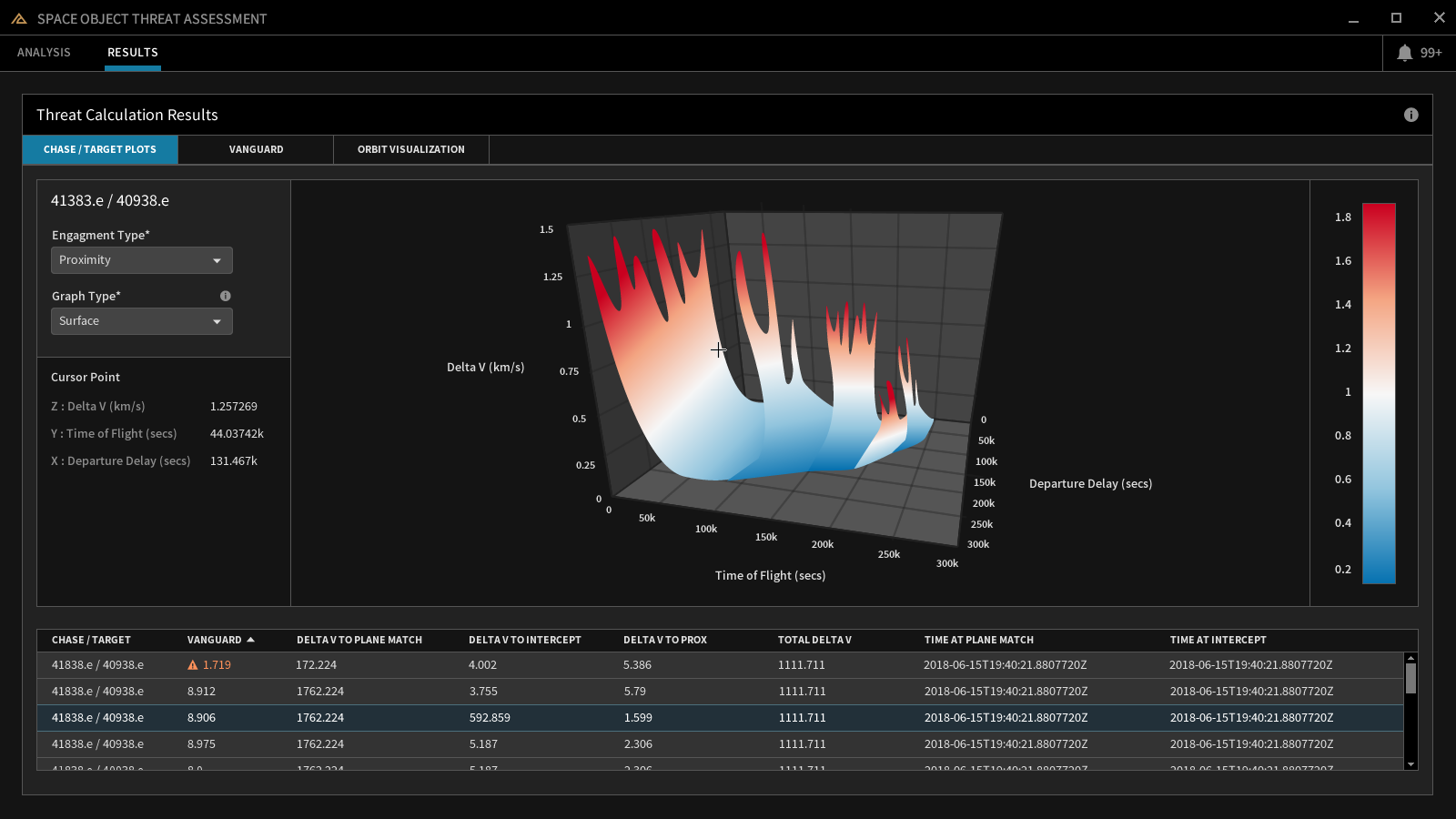
Millions of real-time orbital calculation variables had to be represented without triggering analysis paralysis.
Environmental Realities
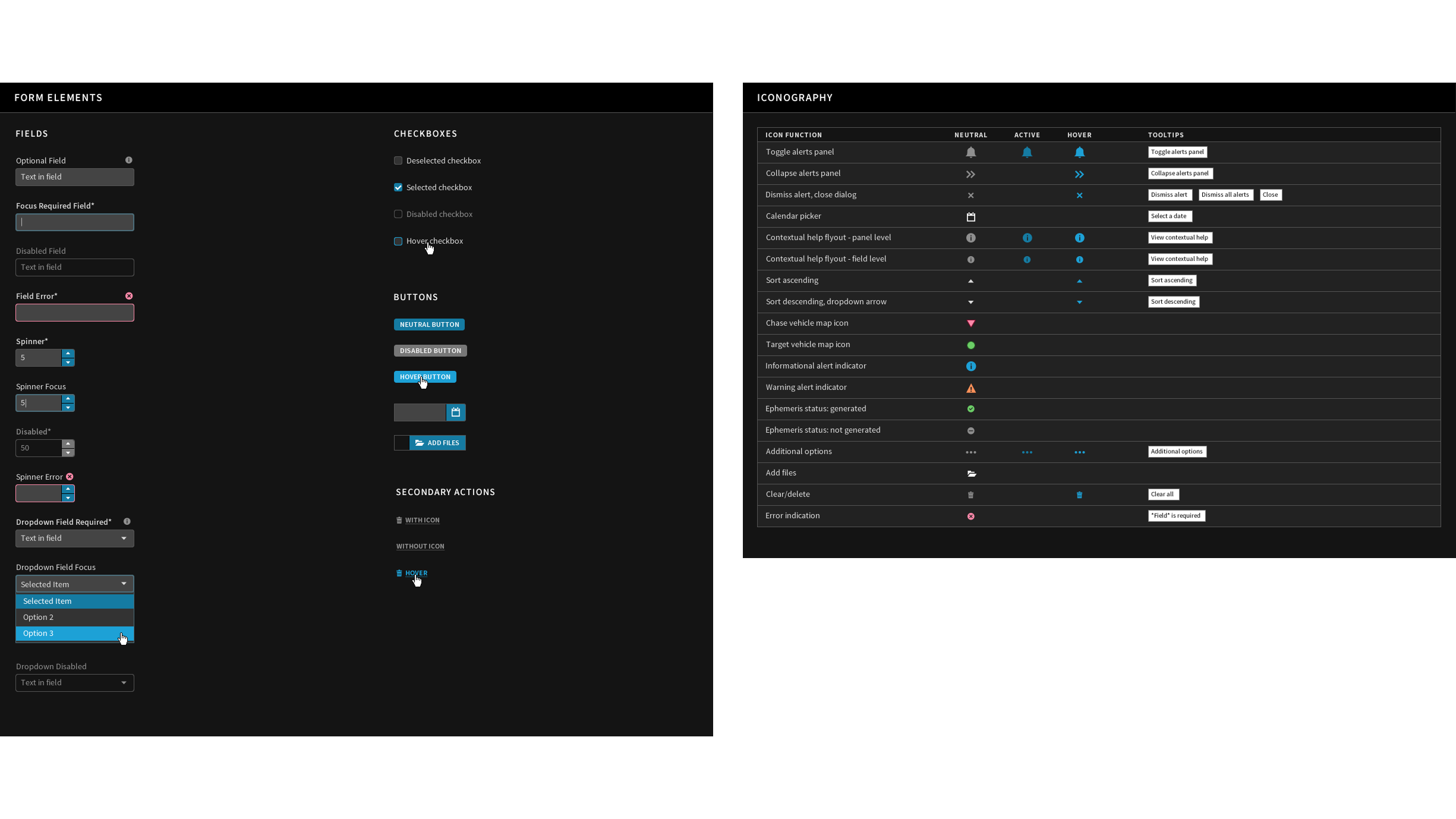
The design had to explicitly support a low-light command center environment where traditional light themes would cause severe eye strain & fatigue during extended shifts.
Accessible Validation Loops
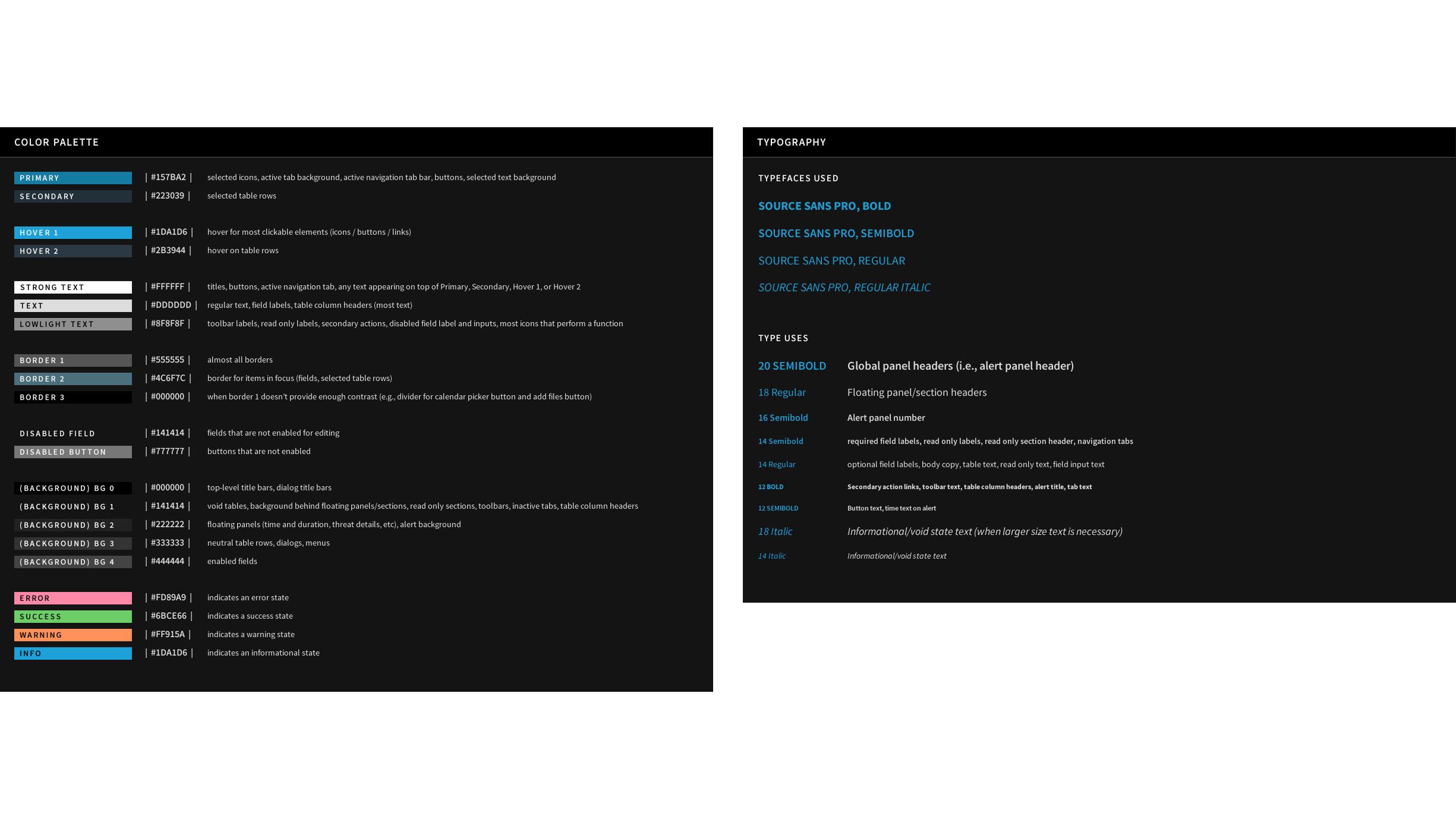
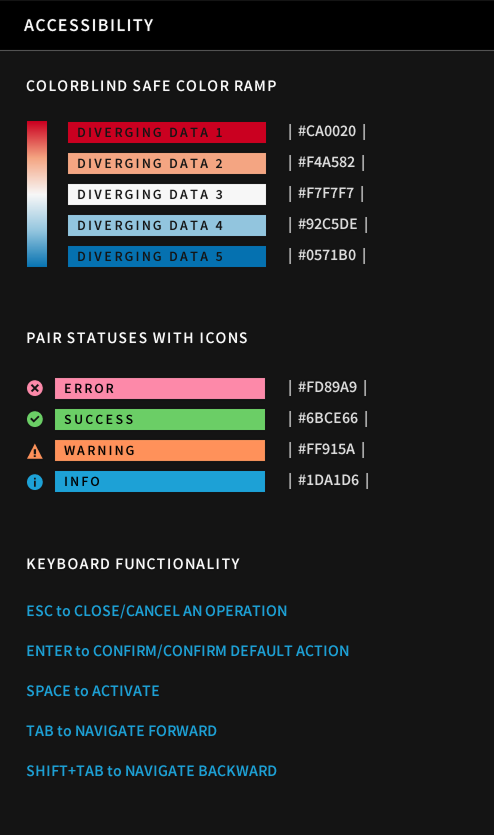
Color-blind friendly validation thresholds were implemented, so operators could safely trust & verify threat paths before escalating defensive protocols.
Research Insights
To deeply understand the problem space, I conducted interviews with operators directly within their live, daily working environments. Witnessing firsthand how they balanced multiple hardware screens, radios, and competing situational awareness tools changed my perspective on the system's urgency. This exposure made it clear that the software had to be hyper-accessible and optimized for speed, as a single missed notification or misread data point could compromise a mission.
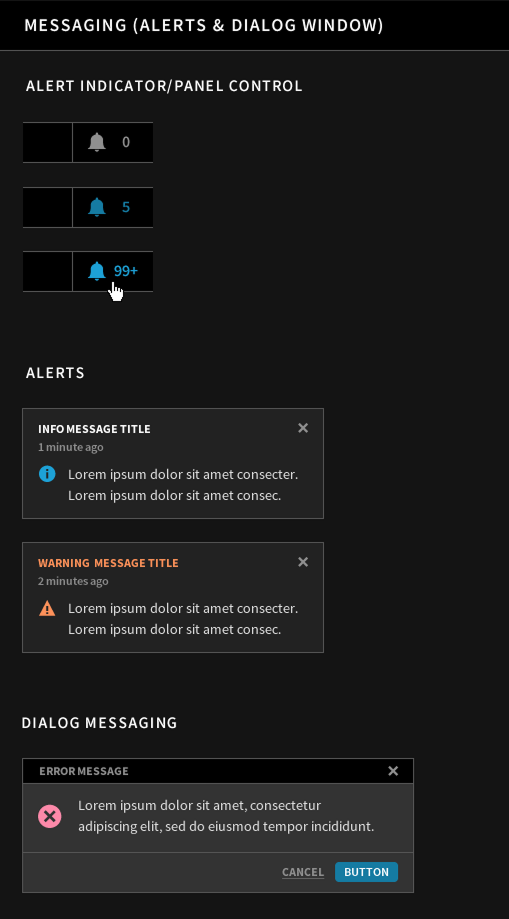
Deep-Dive Product Pillars
Deep-Dive Product Pillars
Globe Preview & Notification Transparency
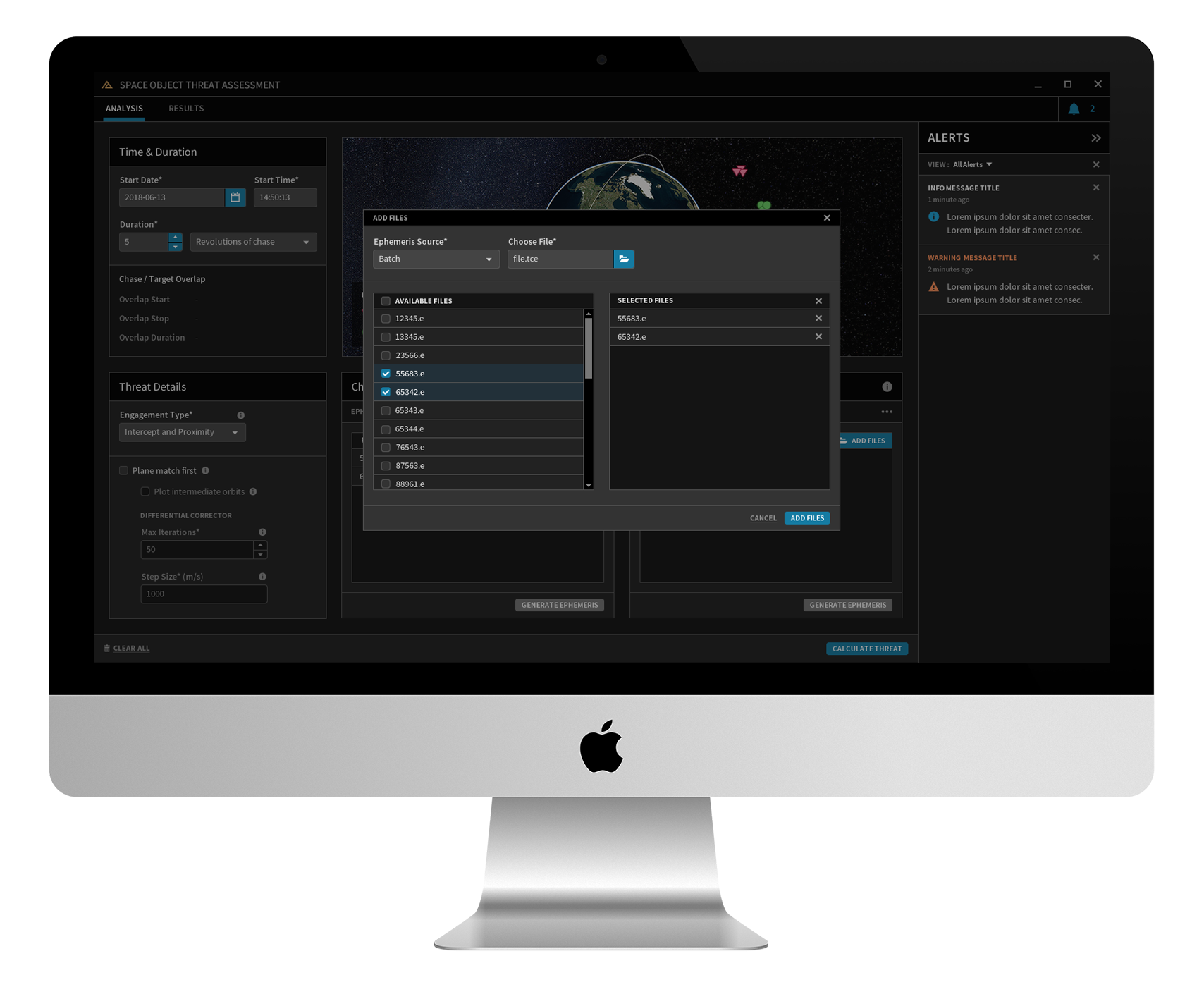
To ensure operators didn't configure parameters blindly, I integrated a globe preview directly adjacent to the inputs. This allows tactical analysts to visually verify scenario boundaries, orbital paths, and geospatial tracking fields in real time as they input parameters, drastically minimizing configuration errors prior to executing the calculation. Alongside this, I designed a persistent, historical notification archive, ensuring that volatile alert pop-ups are securely logged for retrospective auditing rather than vanishing shortly after acknowledgement.
Tactical Low-Light Optimization & Accessibility Testing
For command center personnel working in lowlight, windowless environments, a dark theme is a functional requirement to mitigate ocular fatigue. I utilized WCAG contrast guidelines to build an accessible set of visualization colors. To guarantee universal usability, I applied digital color-blindness simulation filters across all high-fidelity mockups. Furthermore, I ran iterative validation sessions with three color-blind colleagues, actively adjusting hex codes until all parts of the tool remained perfectly distinct.
Operational Impact & Retrospective
The Outcome & Proxy Metrics
The SOTA redesign was met with universal praise across the product organization and key defense stakeholders:
Seamless Engineering Velocity
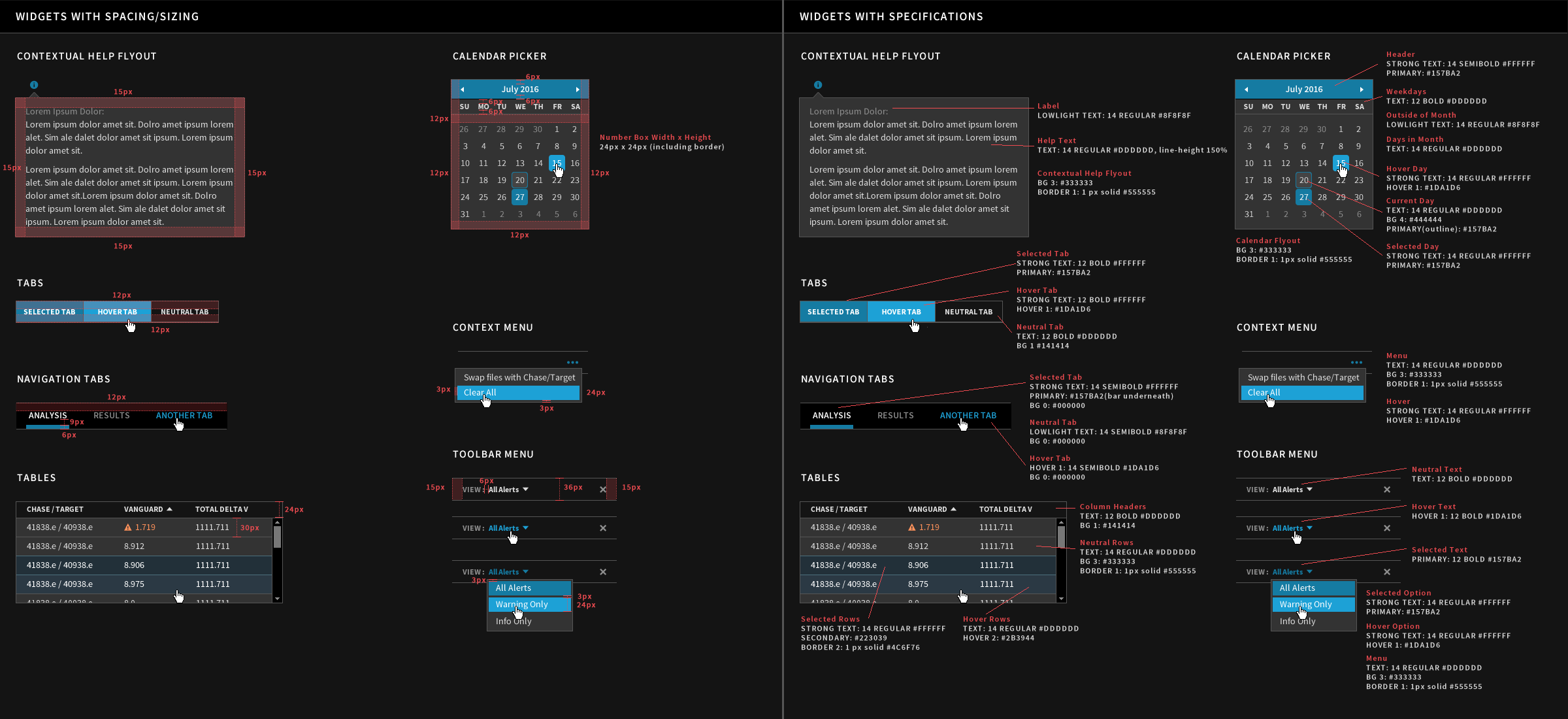
Because all visual specs, behaviors, and interactive states were explicitly documented as part of the red-line specifications, frontend engineers were able to develop with minimal friction.
Instant Stakeholder Validation
The new UI clearly demonstrated a massive reduction in operator cognitive load and training overhead, proving that a good UX directly accelerates real-time tactical triage speed.
Senior Retrospective
Designing for aerospace situational awareness reinforces that simplicity should never be achieved by stripping away data. True enterprise UX maturity means maintaining extreme data density while using layout structure, rigorous accessibility standards, and logical workflows to keep that data digestible. By respecting the expert operator's environment and physical accessibility constraints, we turned an overwhelming calculation matrix into a highly dependable tactical tool.
Back to Work List